It is easy to spend too much on gear before you have played a single track. The truth is that you can start a good station with very little, and upgrade as you learn what you actually need.
If your station is automated
You need a computer and an internet connection to upload your music and manage your schedule. That is it. The server does the broadcasting.
If you go live
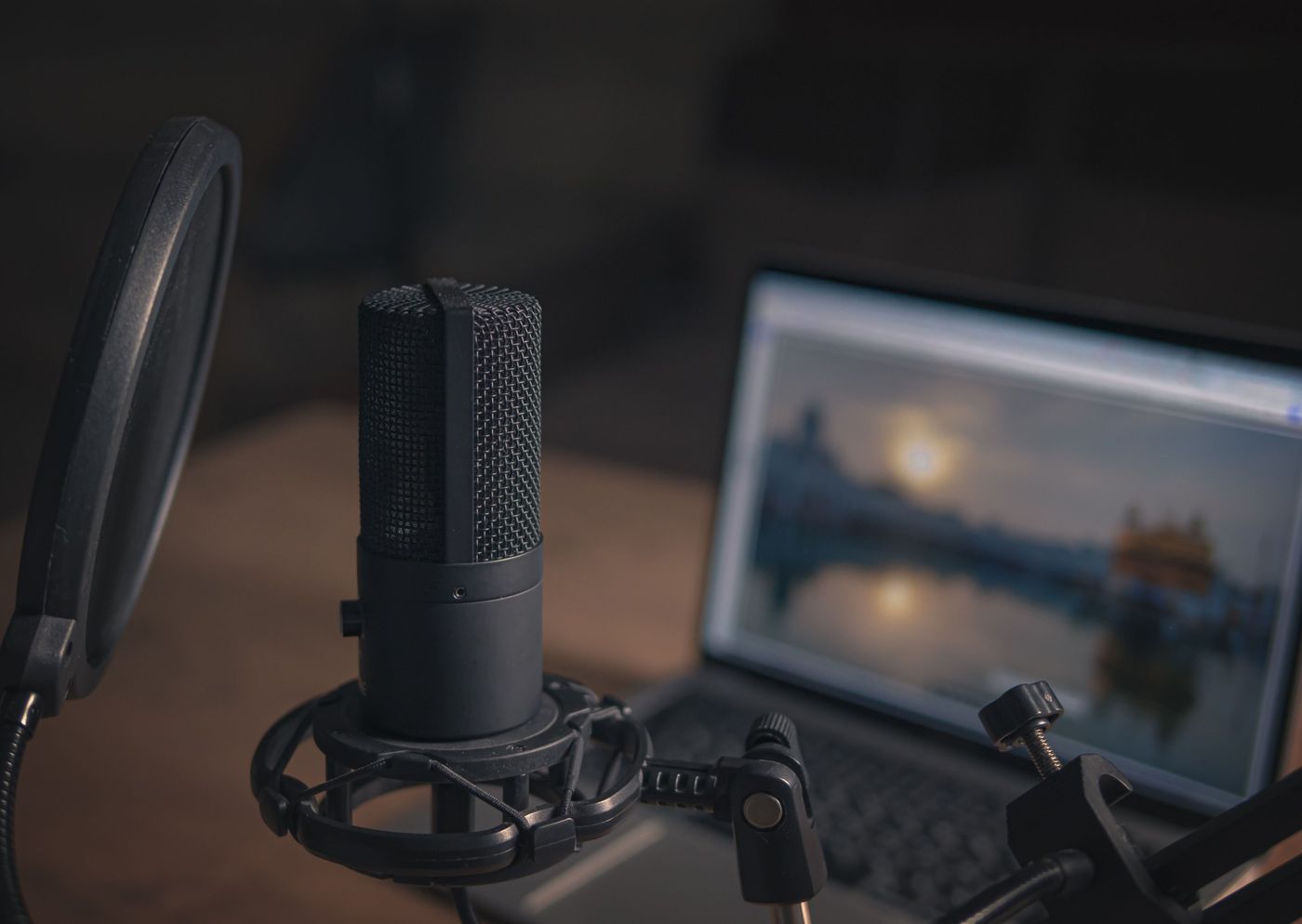
- A microphone. A good USB microphone is the best first purchase. Dynamic microphones tend to pick up less room noise, which suits untreated rooms.
- Headphones. Closed-back headphones stop your own broadcast leaking into the microphone.
- Broadcasting software. Free options include Mixxx and BUTT; see our Mixxx guide and BUTT guide.
- A stable connection. A wired network connection is more dependable than Wi-Fi.
Worth adding later
- An audio interface or mixer if you want several microphones or sources.
- A pop filter and a stand or boom arm for cleaner, more consistent voice sound.
- A second microphone for co-hosts and guests.
- Acoustic treatment. Soft furnishings, rugs, curtains and bookshelves reduce echo cheaply.
What you can skip at first
Expensive processors, complicated rack gear and a dedicated studio. Spend on the voice chain first; the rest can follow once your audience justifies it.
Do not forget the library
Your music, jingles and pre-recorded shows are equipment too. Keep them organised and backed up; see setting up AutoDJ.
Test before you broadcast
Do a full test with your setup: record yourself, listen back and check levels. Fix what sounds wrong before you tell anybody to tune in.